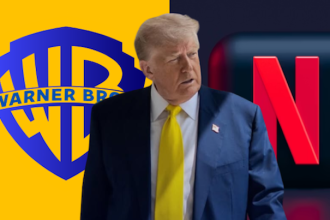


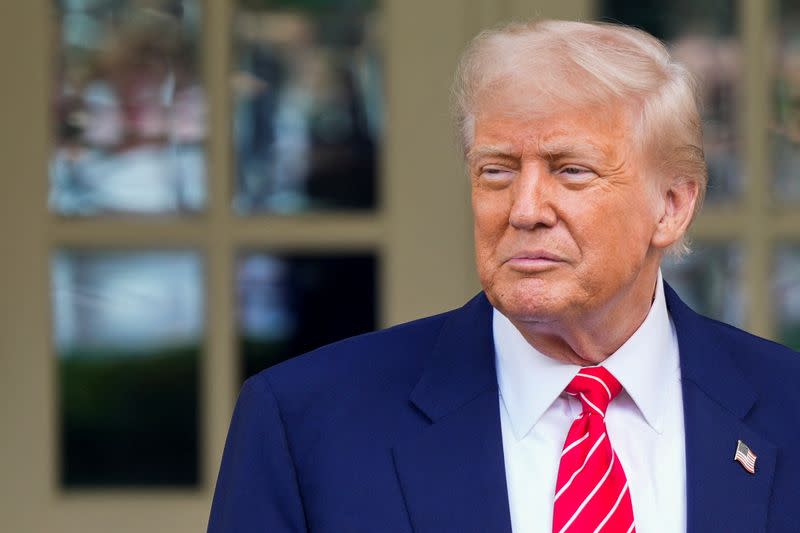
In a sweeping move that signals a tougher trade stance, President Trump announced Monday, July 7, 2025, that the United States will impose 25% tariffs on imports from South Korea and Japan starting August 1. The decision comes as part of a broader push to escalate pressure on U.S. trading partners ahead of the expiration of a 90-day tariff freeze on July 9.
President Trump detailed the new tariffs in two nearly identical letters addressed to Japanese Prime Minister Shigeru Ishiba and South Korean President Lee Jae-myung, which were posted on his Truth Social platform.
http://
In the letters, he warned that additional punitive duties could be applied to a dozen other countries within the next month.
In a separate announcement later Monday, Trump revealed new tariff measures affecting 12 more nations. Myanmar and Laos are set to receive the highest tariffs at 40%, while Thailand and Cambodia face potential duties of 36%. Bangladesh and Serbia will see 35% levies, with Indonesia subject to a slightly lower 32% rate. Imports from South Africa and Bosnia and Herzegovina are scheduled to face 30% tariffs as of August 1, and goods from Malaysia, Kazakhstan, and Tunisia will be taxed at 25%.
White House Press Secretary Karoline Leavitt stated during a press briefing that President Trump plans to sign an executive order extending the tariff freeze deadline to August 1. “The reciprocal tariff rate, or these new rates that will be provided in this correspondence to these foreign leaders, will be going out the door within the next month,” she explained.
Leavitt also noted that Mr. Trump intends to notify approximately 12 more countries about pending U.S. tariffs, though she did not provide a specific timeline. “Mr. Trump will post them on Truth Social so you can enjoy them yourself,” she added.
She further indicated that more trade deals are expected to be announced before the start of August, highlighting the administration’s intensified approach to reshaping U.S. trade relationships.
Each of Trump’s letters included a standardized message emphasizing his commitment to international commerce: “This notice demonstrates the strength and commitment of our Trading Relationship,” and “we invite you to participate in the extraordinary Economy of the United States.”
The 25% tariffs imposed on Japan and South Korea are consistent with the reciprocal tariff framework outlined by Trump in April, when he proposed country-specific duties of 24% and 25% on imports from the two nations.
Trade policy expert Barry Appleton, co-director of the Center for International Law at New York Law School, told CBS MoneyWatch that Monday’s actions signify a strong U.S. stance: “These announcements are simply indications that he is making them pay full admission price to access the U.S. market.”
“At 25%, it is possible, but challenging, to trade with Japan and Korea. This rate was carefully set at the higher side of the spectrum. In essence, trade with the U.S. now is a pay-to-play proposition for Japan, Korea and likely others to come,” he added.
Appleton warned that such targeted tariff hikes could complicate trade talks with other countries seeking agreements with the U.S., including Canada, Switzerland, and EU member states.
Economists have cautioned that wide-ranging tariffs on U.S. allies could ignite inflationary pressures and slow economic growth. Global markets have reacted nervously to the potential for increased trading costs.
However, officials from the Trump administration have maintained that tough tariffs are key to securing fair trade terms and reviving American manufacturing.